
ENVIRONMENTAL BIOTECHNOLOGY RESEARCH
Discovering nature’s solutions through science
Our research explores the hidden dialogues between microorganisms and metals, unlocking sustainable pathways to recover resources, produce advanced materials, and heal contaminated environments.
Nature has already solved many of the challenges we face today — from extracting metals to breaking down pollutants. Our research is about listening to those solutions and translating them into technologies that work with nature, not against it. We focus on four interconnected areas that reveal the extraordinary capabilities of microorganisms and plants.
CURRENT RESEARCH FOCUS
Our applied research activities focus on developing innovative bio/technologies that advance industry while maintaining environmental sustainability. We create biotechnological solutions that not only meet high-tech standards but also minimize environmental impact and promote long-term ecological balance.
Our work encompasses four key areas:
Electromagnetic Field Applications
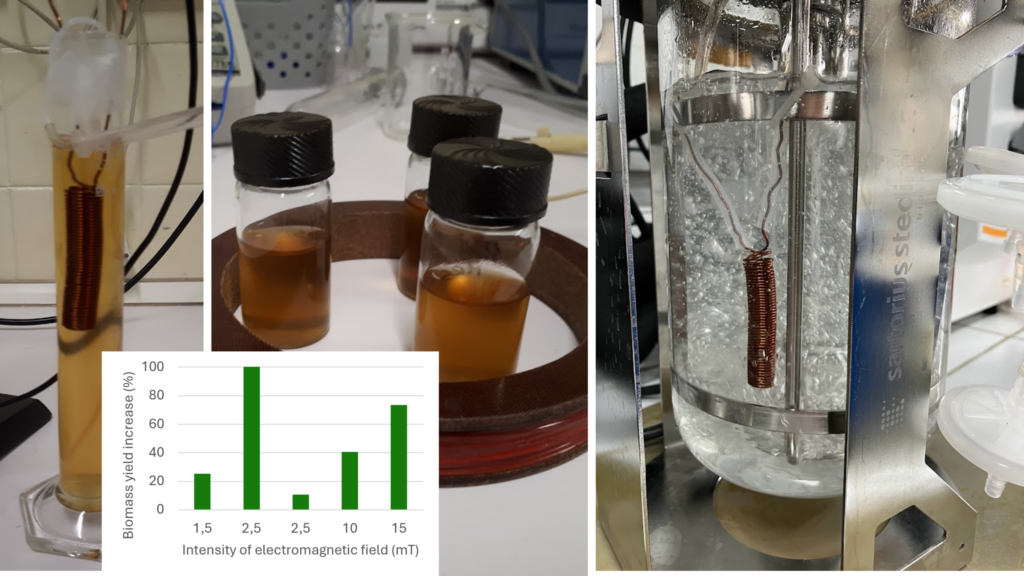
We investigate how electromagnetic fields influence microorganisms and plants, exploring applications for process control in biotechnology and modification of plant characteristics. Our patented technology demonstrates how local magnetic field shielding can regulate alcoholic fermentation. That means we can affect microbial activity and biochemical reactions as well as plant characteristics opening new possibilities for innovation and sustainable production.
Our publications:
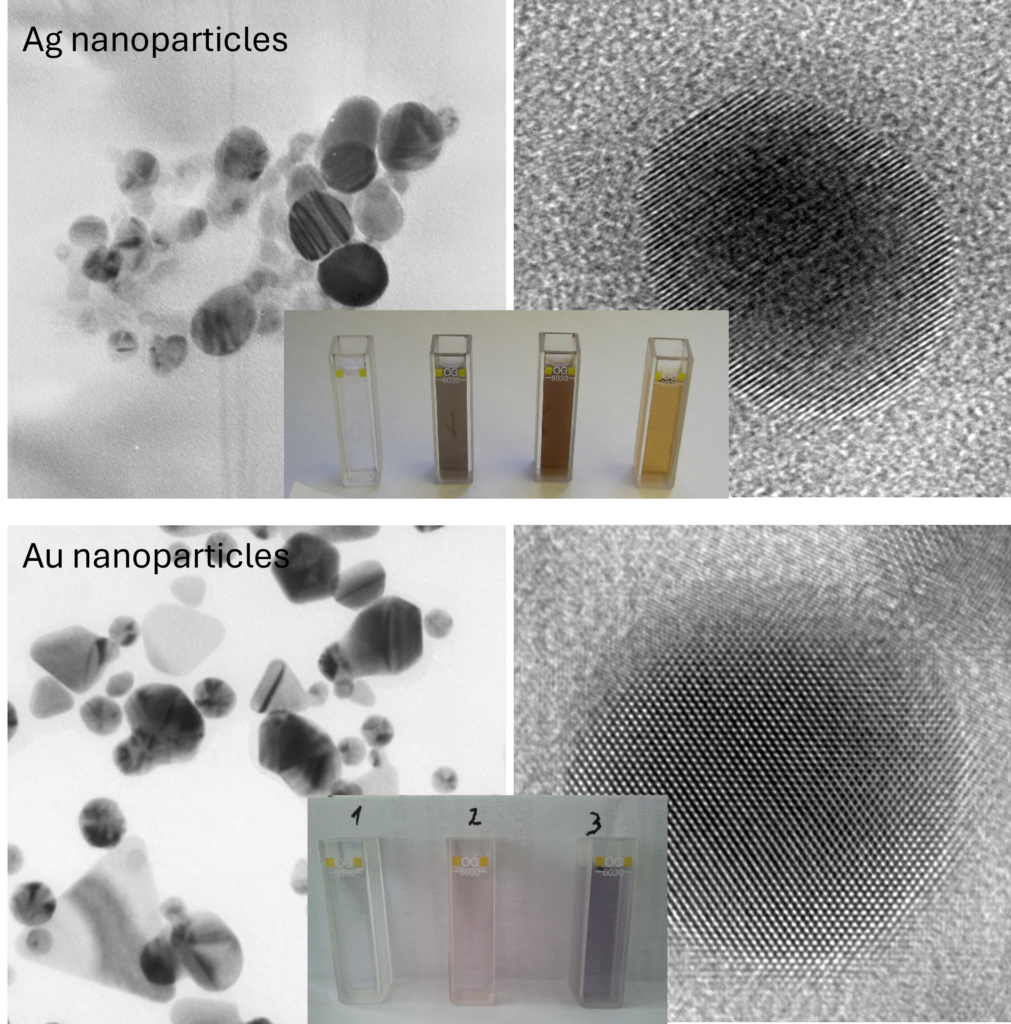
Harnessing biological processes to synthesize nanoparticles from metal ions through bioreduction. This green chemistry approach creates advanced materials with applications in medicine, catalysis, and environmental remediation — without the harsh chemicals required by conventional methods.
We specialize in the production and application of various nanoparticles, particularly silver, gold, and silicon dioxide. Our research extends beyond synthesis to comprehensive safety assessment, examining nanoparticle interactions with organisms and ecosystems. We have developed expertise in evaluating the environmental stability of silver nanoparticles and their effects on aquatic and soil microbiomes, ensuring our innovations are both effective and environmentally responsible.
Our publications:
Bionanotechnology
Metal Recovery from Waste
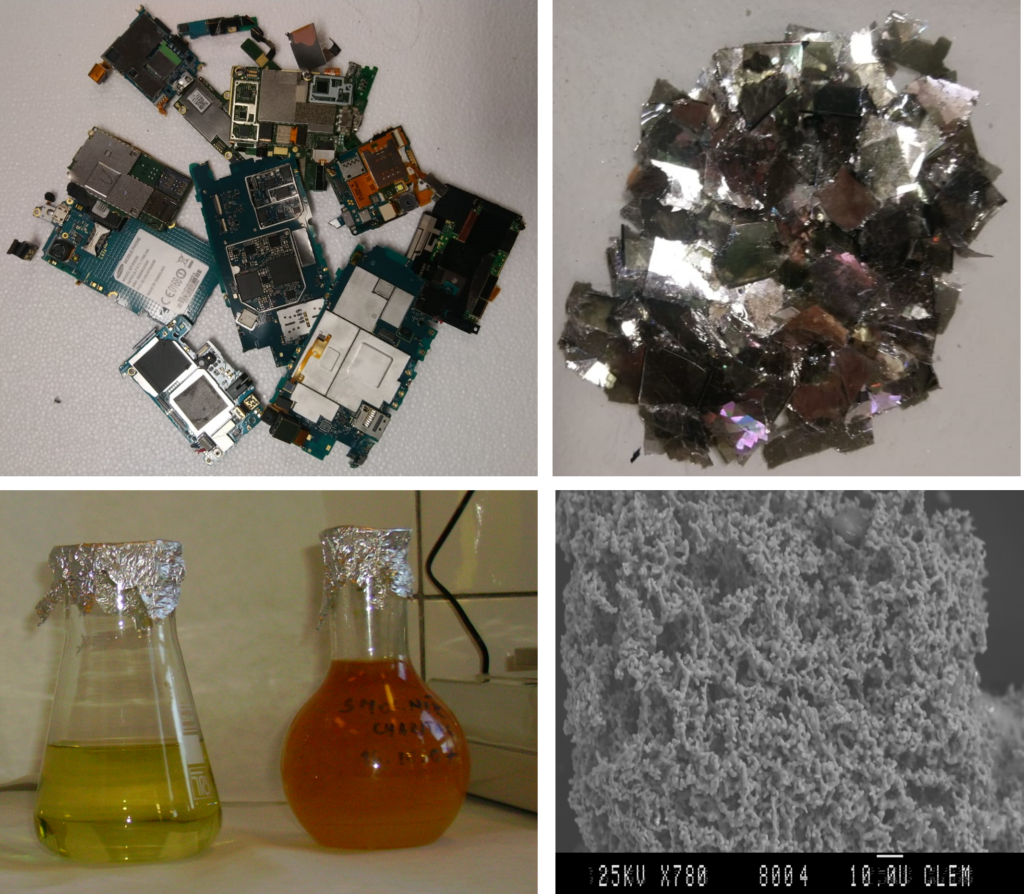
We use microorganisms to extract valuable metals from industrial waste, electronic scrap, and mining residues. This biometallurgical approach offers a sustainable alternative to traditional, energy-intensive extraction methods — turning what was once discarded into critical raw materials for industry.
Our team has extensive experience in recovering valuable metals from diverse waste streams through bacterial processes. We are currently developing biotechnological methods for extracting critical metals—including indium, germanium, and gallium—from flat panel displays. Our portfolio includes successful processing of used batteries (Ni-Cd, alkaline, Li-ion), computer printed circuit boards, and low-grade ores such as lepidolite (lithium mica). We employ promising biological methods including biosorption using biomass-based sorbents and bioprecipitation for producing valuable solid products. Our patented bio-pickling process for sheet metal demonstrates how bacterial processes can be integrated into industrial-scale operations, transforming waste directly into commercially viable products.
Our publications:
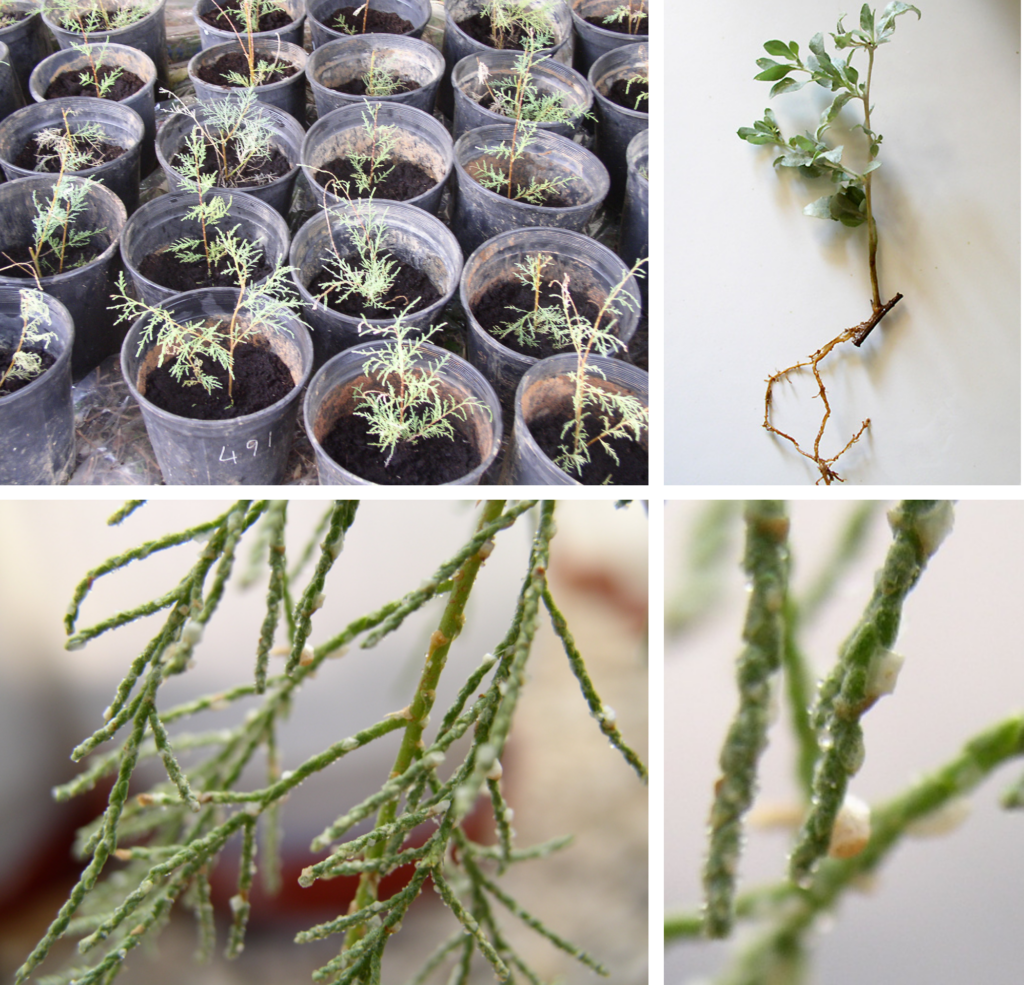
We use plants and their associated microorganisms to clean contaminated soil and water. This process, called phytoremediation offers a natural, cost-effective way to restore polluted environments, transforming polluted, not usable lands back into living, productive ecosystems. Beyond environmental cleanup, we apply these methods for metal recovery from contaminated soils, creating dual-benefit solutions that restore ecosystems while extracting valuable resources.
Phytoremadiation
WHY IT MATTERS
Research that serves both people and the planet
The challenges of resource scarcity, environmental contamination, and unsustainable industrial practices are interconnected. Our research addresses all of them by drawing on the same source of wisdom: the natural world. Every discovery we make brings us closer to a future where human activity and ecological health are not in conflict, but in balance.