PROJECTS
Where we received external funding
Biotechnological Innovations for Sustainable Flat Panel Displays Recycling (BioPrep)
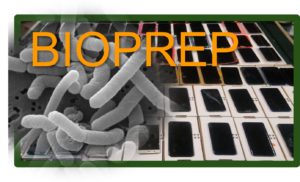
The BioPrep project introduces a novel perspective on addressing the recycling challenge associated with Flat Panel Displays (FPD) waste—a resource of valuable metals such as indium, germanium, and gallium. This waste, originating from devices like smartphones and tablets that utilize LCD, LED, OLED, and QLED technologies, represents one of the fastest-growing group within electronic waste. The BioPrep project proposes the integration of sustainable biotechnological processes into the FPD waste recycling chain. The primary objective is to develop an efficient, low carbon footprint FPD recycling technology based on microbial biotechnological processes. Our goal is to demonstrate that eco-friendly biotechnologies are not only available but can be swiftly incorporated into our daily lives with existing scientific knowledge. Consequently, alongside scientific objectives, the project is dedicated to educational and social pursuits. It aims to enhance public knowledge in the field of sustainable recycling and biotechnology, fostering local awareness and macro-regional significance within the Danube Regions. BioPrep’s initiatives strategically combine the knowledge and experience of partners in the field of biotechnological solutions within the Danube region, specifically Slovakia, Czech Republic, and Slovenia, with support from associated partners beyond the Danube Regions. See more.
Funded by

Project Partners

Microbes and Metals Teach Green Technology
Environmental scientists, artists and teachers from Slovakia, Poland and the Czech Republic will create and present two interactive lessons using elements of Puppet Theatre to increase the interest of children aged 10 – 12 in natural science and technology. The specific emphasis will be given on environmental sciences.
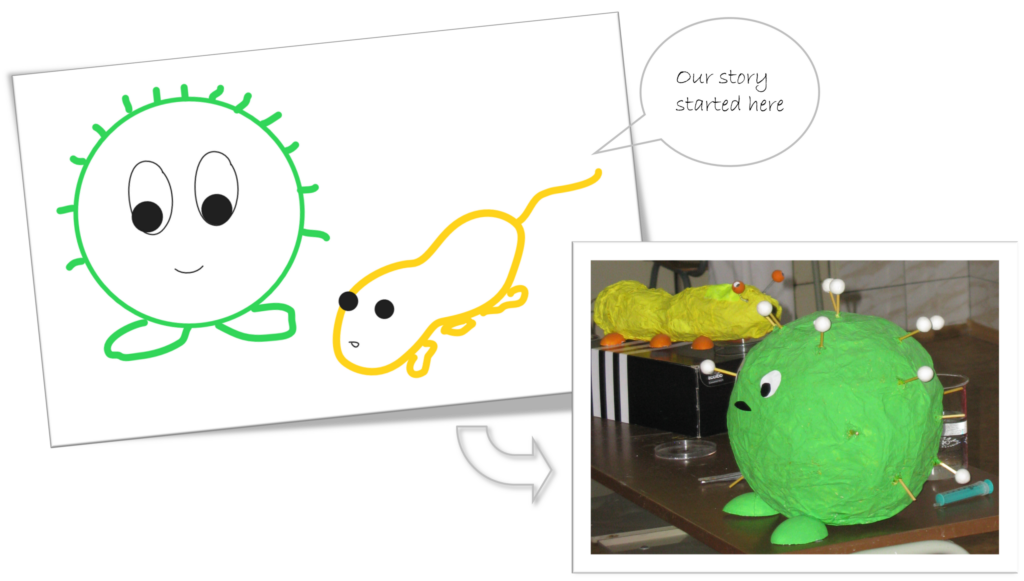
The project aims to integrate Puppet Theatre elements into environmental science education, partnering with Poland and Czech Republic. Two pilot lessons tailored for children aged 10-12 will be jointly developed applying specific expertise of selected experts. In these lessons, children will become a part of alternate worlds, exploring realms inhabited by metals and bacteria, each with distinct identities. They will meet with personified metals and microorganisms (puppets), gaining insights into their characteristics. Simple environmental challenges will encourage collaborative problem-solving, focusing on holistic learning and addressing issues like metal recycling or bacterial metal recovery. Interactive lessons will actively engage children, providing hands-on experience that enhance their understanding of specific topic. The project will connect experts from diverse fields, including environmental scientists, artists, and teachers. Partner primary schools have been carefully selected to represent various settings, including urban and rural environments, as well as public and private schools. All selected schools place a strong emphasis on environmental education. Teachers from these institutions will contribute their insights throughout the creative process, ensuring that the lesson content is tailored to meet the specific needs of the children. See more
Funded by
Project Partners