
Latest News & Updates
Stay informed about our latest research, events, and achievements in biotechnology and environmental education.
The most recent
May 2026
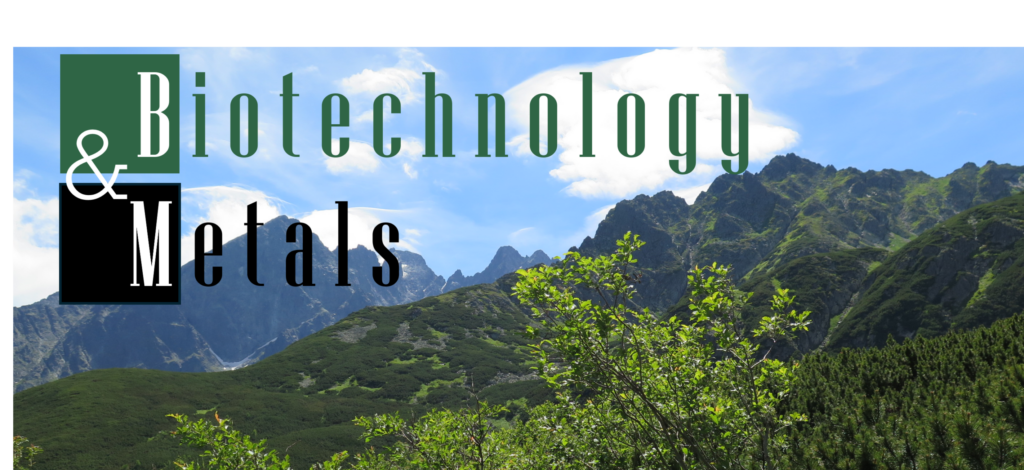
Registration Now Open: 7th International Conference Biotechnology and Metals
We are happy to announce that registration is now open for the 7th International Scientific Conference Biotechnology and Metals (BaM 2026), scheduled for 8–9 October 2026 in the picturesque resort of Stará Lesná in the High Tatras, Slovakia.
About the Conference
BioMet is an established international forum bringing together scientists, engineers, and industry professionals to discuss cutting-edge research and practical applications at the intersection of environmental technology, biotechnology and raw materials processing. Topics covered include bioleaching, metal recovery, environmental protection, waste treatment, and related fields.
The conference offers a collegial and inspiring atmosphere, fostering meaningful scientific exchange as well as lasting professional connections among participants from across Europe and beyond.
Programme & Special Workshop
The two-day programme includes scientific sessions and presentations by leading experts. As a special addition, an optional hands-on workshop will be held on the afternoon of 8 October at Fister Crystal, a company specialising in precision crystal cutting. Participants will have the opportunity to engrave their own design on a crystal box — a unique and personal souvenir. Places are limited to 25 participants and subject to an additional fee of €20 (transport included).
Registration & Fees
Registration is open now and must be completed by 12 June 2026. An early bird discount applies for payments made before 30 June 2026.
For full details on the programme, abstract submission, payment, accommodation, and registration, visit the official conference website: www.envibiomet.com
For enquiries, contact the organising committee at bam@envibiomet.com or directly at jana.sedlakova@algajas.com.
Jun 2026
Ela and Fero in Veľký Biel: When Microbes Win Hearts and Invitations Back
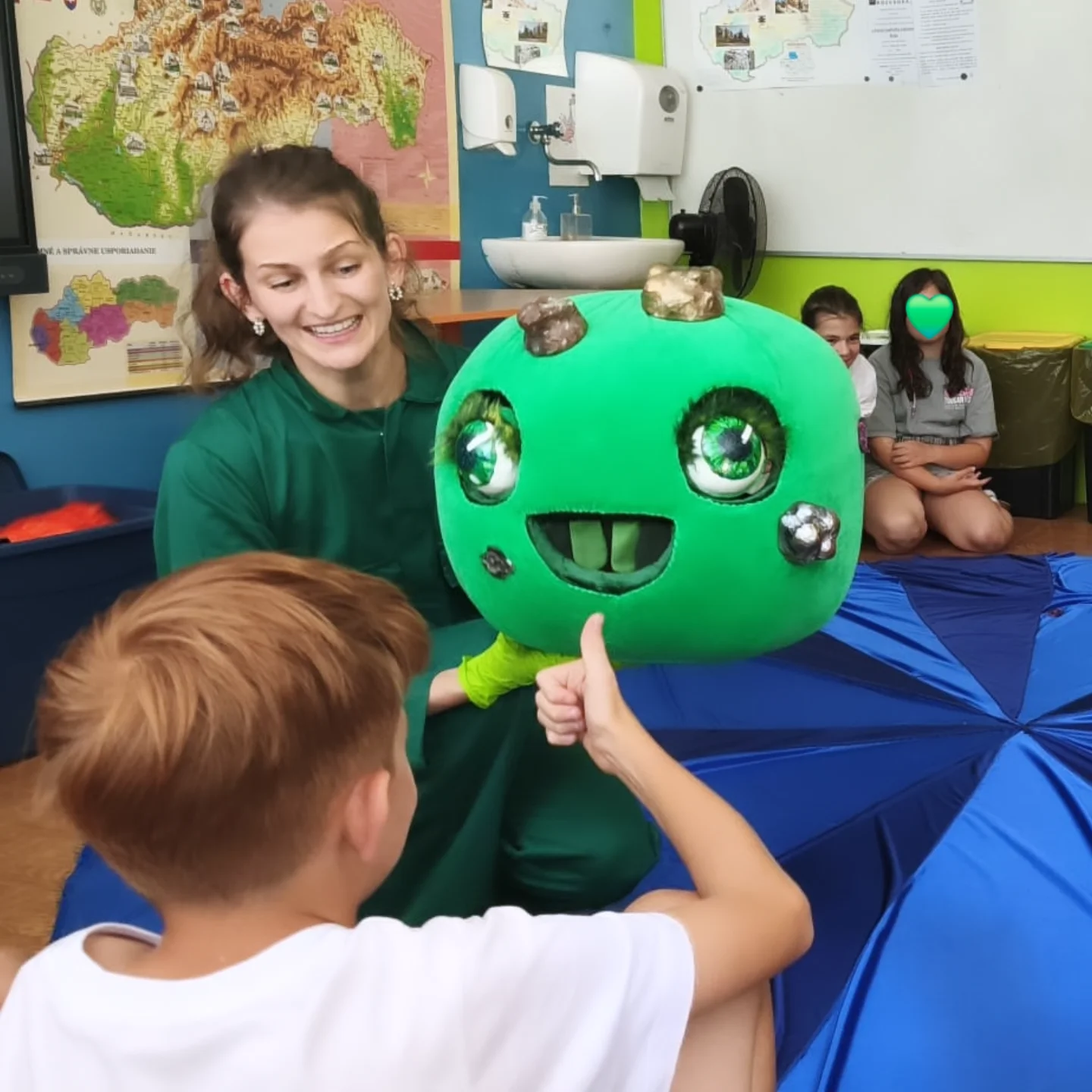
The Green Microtheatre hit the road again — this time visiting Primary School in Veľký Biel, where Ela and Fero delivered not one but two interactive lessons, leaving behind curious young minds and a standing invitation to return.
The lesson introduced pupils to the fascinating world of recycling microorganisms — meeting alga Ela (Parachlorella kessleri) and bacteria Fero (Acidithiobacillus ferrooxidans) as living guides into the microscopic world. Through puppet theatre, storytelling, and hands-on exploration, children discovered how these tiny organisms acquire nutrients, interact with metals, and play a vital role in environmental clean-up and green biotechnology. The lesson encouraged children to think creatively — could Ela help clean wastewater? Could Fero “eat” an old mobile phone? Questions like these turned the classroom into a space of genuine scientific curiosity.
What made the visit to Veľký Biel particularly special was the response from both pupils and teachers. The enthusiasm was immediate and sustained across both sessions, and the school expressed a clear wish to welcome Ela and Fero back again — a sign that the Green Microtheatre format continues to resonate well beyond a single visit.
The Green Microtheatre grows out of the completed project “Microbes and Metals Teach Green Technology” funded by International Visegrad Fund, which successfully reached more than 200 children across Slovakia, Czech Republic, and Poland, and demonstrated that even complex environmental science can be communicated in a way that is engaging, inclusive, and memorable. The lessons at Veľký Biel carry that spirit forward, bringing the programme to new schools and new young audiences.
We are grateful to the teachers and pupils of Primary School in Veľký Biel for such an enthusiastic welcome — and we very much look forward to coming back!We are thrilled to share news from one of our most rewarding activities yet — bringing our educational interactive lessons featuring the recycling microbes Ela and Fero to the pupils of Primary School in Perín-Chym.
The lesson was designed for children in 3rd and 4th grade and combined storytelling, puppet theater, and hands-on science exploration to introduce young minds to the world of environmental microbiology and recycling. By making Ela and Fero the guides on a journey through ecosystems and microorganisms, we aimed to make environmental science not only understandable, but truly exciting.
And it worked! The reaction from the children was enthusiastic from the very first moment. Teachers reported that the pupils were engaged, curious, and full of questions throughout. The highlight? After the lesson, the teachers were so inspired that they immediately took the children to observe algae in nearby ponds — turning classroom curiosity into real-world discovery.
We believe that sparking an interest in environmental science at an early age is one of the most meaningful contributions we can make — not just as scientists, but as members of our community.
A big thank you to the school, the teachers, and most of all to the wonderful children of Perín-Chym for such a warm and curious reception. We hope Ela and Fero left a lasting impression!
Jun 2026
EU Project Writing Training at Czech University of Life Sciences Prague
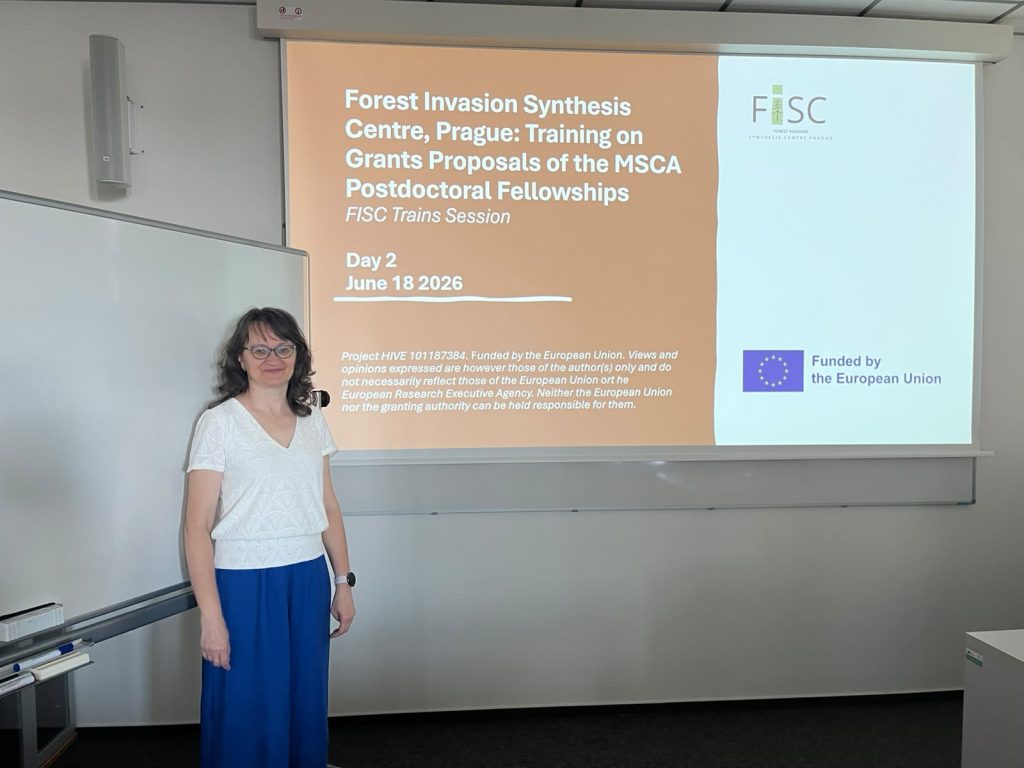
In June 2026, we had the opportunity to deliver a training on writing European project proposals at the Czech University of Life Sciences Prague (CZU.cz) — one of the Czech Republic’s leading universities in the fields of life sciences, environmental research, and sustainability.
What made this training particularly rewarding was its diverse audience. Unlike more narrowly focused courses, this session brought together three distinct groups: active project managers, researchers involved in project preparation, and PhD students taking their first steps into the world of European funding. This mix created a dynamic learning environment where participants could exchange experience across roles — those managing running projects bringing practical insight into what works in implementation, while emerging researchers contributed fresh perspectives and new research ideas.
The training was organised within the framework of the HIVE (101187384) project, reflecting CZU’s active engagement in European funding and its commitment to building internal capacity in competitive grant writing.
The training covered the full lifecycle of a European grant proposal — from identifying the right funding call and defining clear objectives, to building a convincing methodology, realistic work plan, and budget. A significant part of the programme was devoted to understanding how proposals are evaluated, drawing on over 17 years of the trainer´s experience as an evaluator, rapporteur, and vice-chair for the European Commission and other European institutions.
The cross-disciplinary and cross-role format proved to be one of the most valuable aspects of the course. Discussions naturally moved between theory and practice, and participants left not only with stronger proposal-writing skills, but also with a broader understanding of the European funding landscape — from the perspective of both applicants and evaluators.
We look forward to further collaborations with CZU Prague and to supporting researchers and project teams across Europe in their efforts to secure competitive funding.
April 2026
Ela and Fero on Tour: Interactive Science Reaches Primary School in Perín-Chym
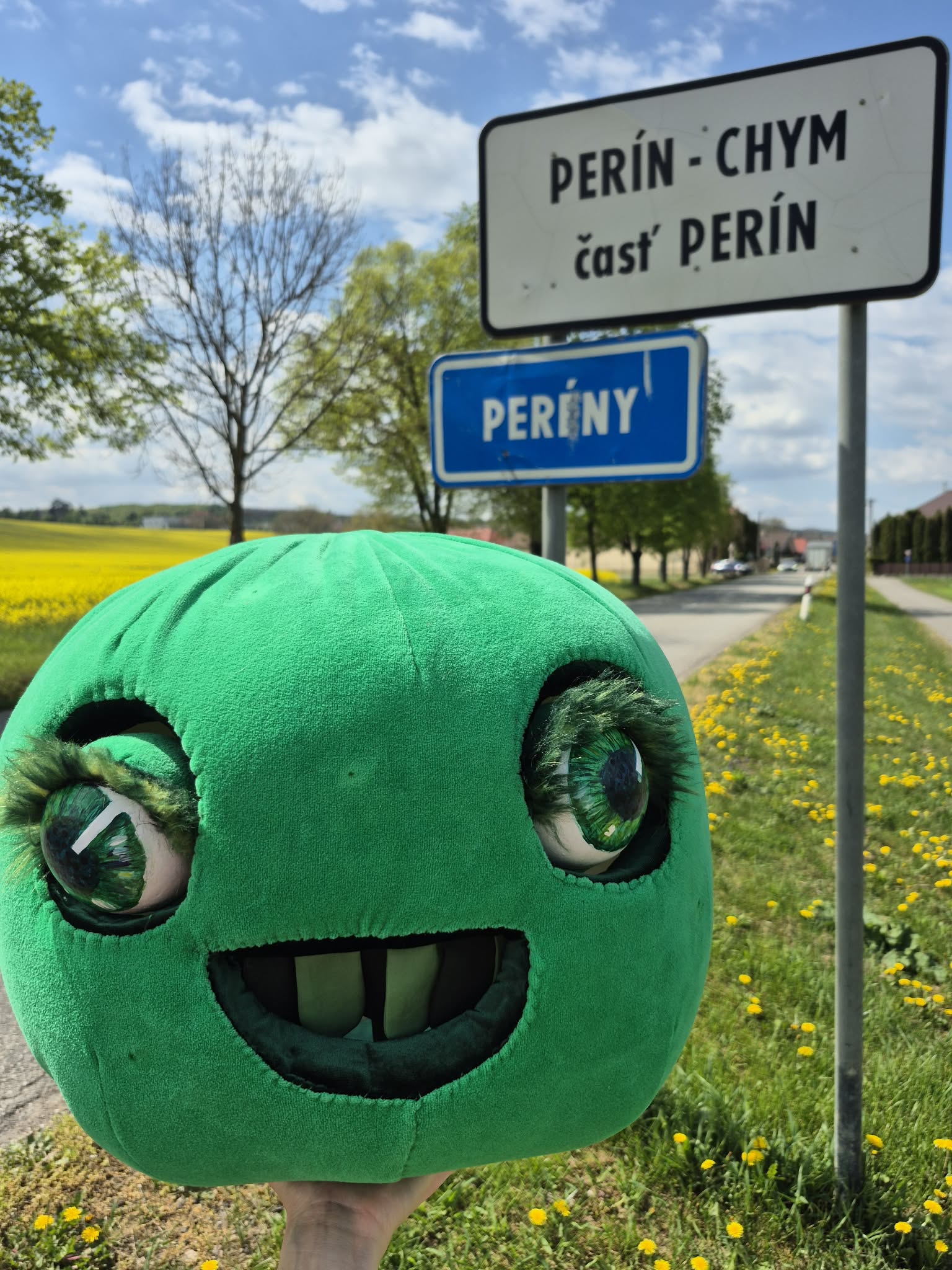
We are thrilled to share news from one of our most rewarding activities yet — bringing our educational interactive lessons featuring the recycling microbes Ela and Fero to the pupils of Primary School in Perín-Chym.
The lesson was designed for children in 3rd and 4th grade and combined storytelling, puppet theater, and hands-on science exploration to introduce young minds to the world of environmental microbiology and recycling. By making Ela and Fero the guides on a journey through ecosystems and microorganisms, we aimed to make environmental science not only understandable, but truly exciting.
And it worked! The reaction from the children was enthusiastic from the very first moment. Teachers reported that the pupils were engaged, curious, and full of questions throughout. The highlight? After the lesson, the teachers were so inspired that they immediately took the children to observe algae in nearby ponds — turning classroom curiosity into real-world discovery.
We believe that sparking an interest in environmental science at an early age is one of the most meaningful contributions we can make — not just as scientists, but as members of our community.
A big thank you to the school, the teachers, and most of all to the wonderful children of Perín-Chym for such a warm and curious reception. We hope Ela and Fero left a lasting impression!
April 2026
From Idea to Successful EU Grant: Doctoral Training in Trnava
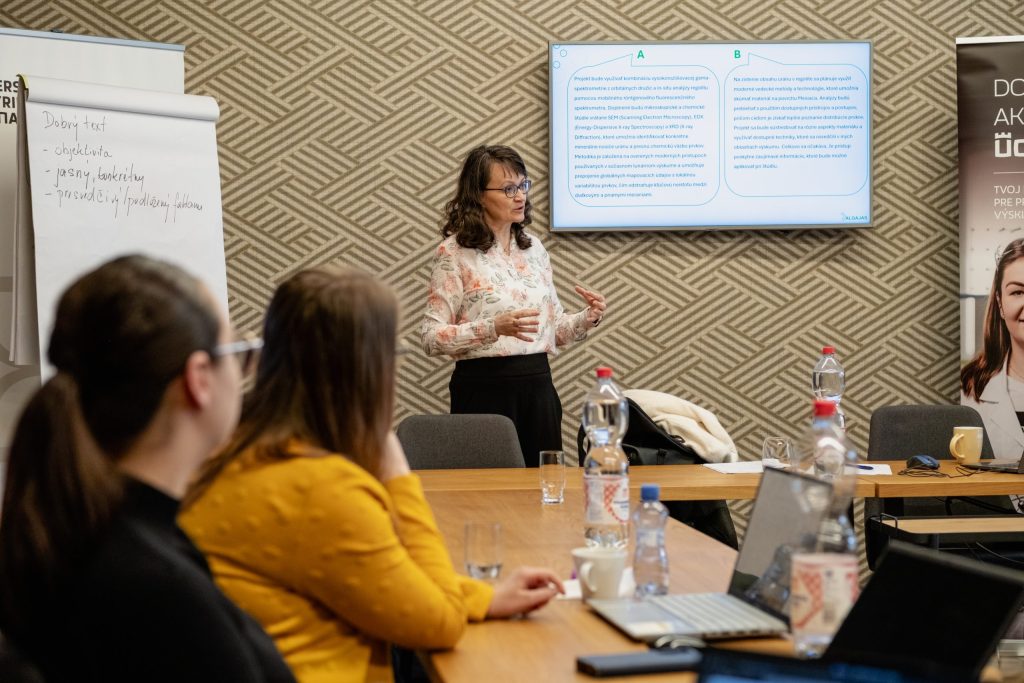
On 15 – 16 April 2026, we delivered an intensive two-day training (16 hours) for doctoral researchers as part of the doctoral school at the University of Ss. Cyril and Methodius in Trnava.
The course focused on developing high-quality project proposals for European funding schemes, with a specific emphasis on the Marie Skłodowska-Curie Postdoctoral Fellowships. Participants were guided through the full project design cycle – from selecting suitable calls and defining objectives, to developing methodology, work plans, budgets, and dissemination strategies.
A key part of the training was dedicated to understanding evaluation criteria from the perspective of a project reviewer, helping participants gain a clearer understanding of how proposals are assessed in practice and what determines success or failure.
The course is grounded in more than 16 years of experience in evaluating projects for the European Commission and other European institutions, including roles as evaluator, rapporteur, and vice-chair across both individual and consortium-based projects. This provided participants with a unique insider perspective on the evaluation process, from proposal submission through to post-project assessment.
The programme also included hands-on work on participants’ own project proposals, peer review activities, and individual feedback sessions.
Participant feedback was highly positive. Many appreciated the practical and experience-based approach, noting that the knowledge gained will be useful not only for preparing grant applications, but also for structuring and managing their doctoral research more effectively.
March 2026
BioPrep Successfully Completed!
BioPrep — Biotechnological Innovations for Sustainable Flat Panel Displays RecyclingFunded by the Interreg Danube Region ProgrammeWe are proud to announce the successful completion of BioPrep, our first European project — a significant milestone in our commitment to sustainable innovation and international scientific collaboration.What Was BioPrep About?Flat Panel Displays (FPDs) used in smartphones, tablets, and televisions contain valuable and strategically important metals such as indium, germanium, and gallium. At the end of their lifecycle, these devices contribute to one of the fastest-growing streams of electronic waste globally. BioPrep tackled this challenge head-on by integrating sustainable biotechnological processes into the FPD recycling chain — harnessing the natural capabilities of microorganisms to recover valuable metals in an efficient, low carbon footprint way.
February 2026
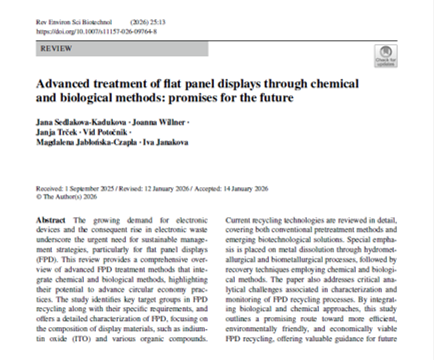
New Review Paper Published on Sustainable Recycling of Flat Panel Displays
The review examines emerging strategies that could enhance recycling efficiency, improve metal recovery—particularly indium—and enable the production of commercially valuable by-products beyond metals, such as bacterial cellulose. This work contributes to more sustainable e-waste management solutions across Europe.
Our latest review paper has been published in the prestigious Reviews in Environmental Science and Bio/Technology, exploring innovative biotechnological approaches to Flat Panel Display recycling. Conducted as part of the Interreg Danube Programme project, the research was developed in collaboration with partners from Slovakia, Poland, and Slovenia.
November 2025 – January 2026
Teaching the Next Generation of Engineers
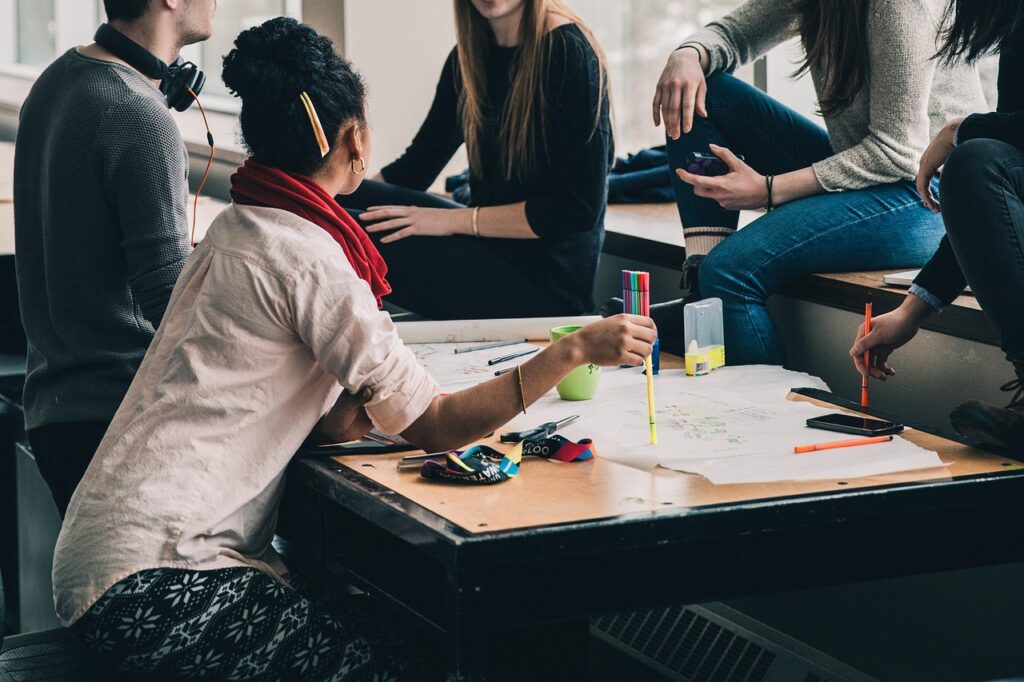
We delivered a comprehensive 60-hour course on Research and Development Projects to undergraduate students at Silesian University of Technology. Through expert instruction and hands-on practice, participants gained essential skills in European project proposal writing—from structuring proposals and crafting clear objectives to navigating common pitfalls and building competitive applications.

December 2025
Recognized Among World’s Top 2% Most-Cited Scientists for 2025
We’re proud to share that our founder has been ranked among the world’s top 2% most-cited scientists by Stanford University and Elsevier for 2025. The recognition spans Engineering as the main field, with specializations in Mining and Metallurgy and Environmental Sciences.
This achievement is particularly meaningful as it reflects sustained research impact while building and leading our R&D company over the past three years—demonstrating that entrepreneurship and academic excellence can thrive together.
November 2025
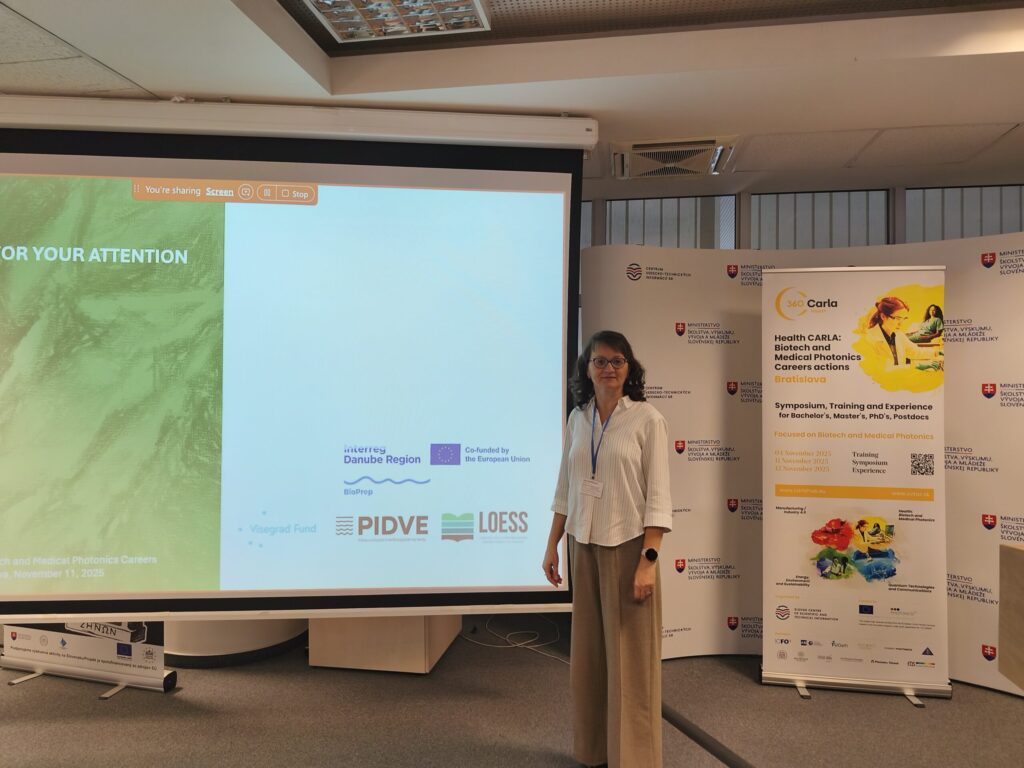
Nature’s Recycling Secrets: How My Failed Experiments Built a Green Technology Company
We presented at the 360 CARLA Health: Biotech and Medical Photonics Careers Symposium in Bratislava, our story exploring how research setbacks can spark innovation. Organized by the Slovak Centre of Scientific and Technical Information and International Laser Centre as part of Science Week, this one-day event promoted career opportunities in photonics and its role in healthcare innovation.
The presentation shared how failed experiments became the foundation for building a successful green technology company—proving that persistence and creative problem-solving can transform obstacles into breakthroughs.
October 2025
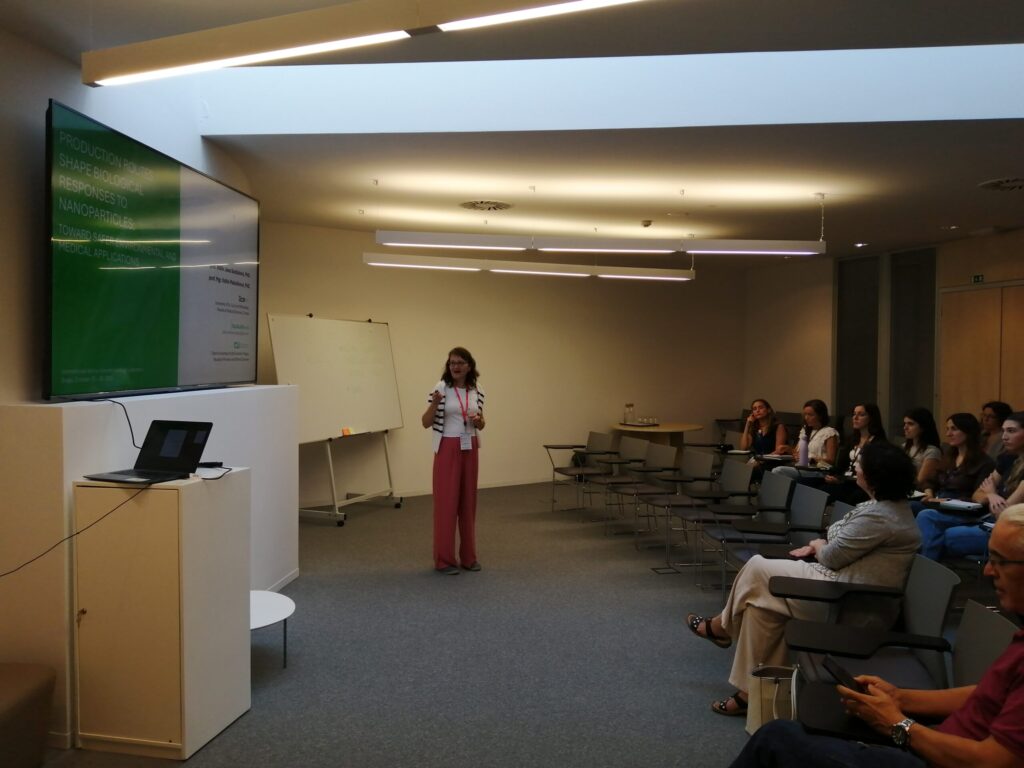
Production Routes Shape Biological Responses to Nanoparticles: Toward Safer Environmental and Medical Applications
We visited the International Iberian Nanotechnology Laboratory in Braga, Portugal, together with Prof. Matušíková from our collaborating institution, the University of Ss. Cyril and Methodius in Trnava, Slovakia.
During the visit, we met with Dr. Ernesto Alfaro-Moreno’s team working in Safety in Nanomaterials & Nanotechnology, as well as leaders of other research groups in related bionanotechnology areas. We presented our latest results and explored opportunities for future collaboration in developing safer nanomaterials for environmental and medical applications.
October 2025
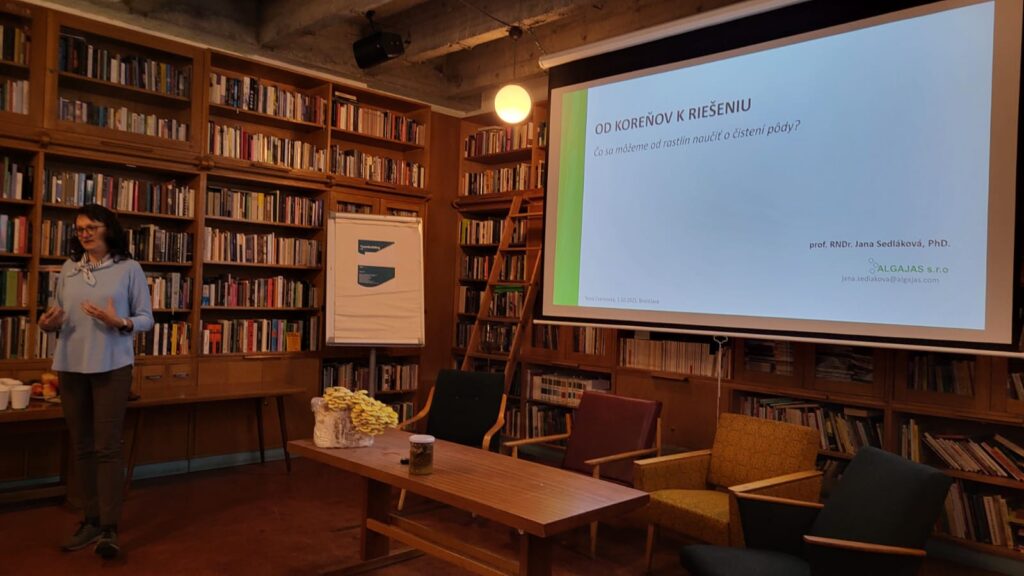
From Roots to Solutions: What We Can Learn from Plants about Soil Cleaning
We presented at “BAZ má zraz” (BAZ Has a Meeting), an event organized by the non-profit organization BAZ.o.z. Bratislava, sharing insights on how plants can be used for soil remediation. During the session, we explored practical applications of phytoremediation and evaluated the results of BAZ’s innovative project “Remediačná socha” (Remediation Statue).
July 2025
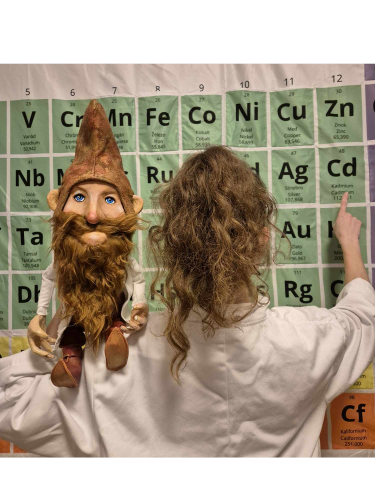
Microbes and Metals Teach Green Technology Project Successfully Completed
Our innovative educational project “Microbes and Metals Teach Green Technology” funded by International Visegrad Fund has been successfully completed, reaching 190 children across Slovakia, Czech Republic, and Poland. This pioneering initiative combined puppetry with environmental science to teach children aged 10-12 about recycling and environmental biotechnologies through interactive storytelling.
Developed through collaboration between environmental scientists, artists, and educators, the project proved particularly effective for inclusive education, with children with special educational needs comprising 25% of participants and showing strong engagement and learning outcomes.
The project confirmed that even demanding environmental challenges can be communicated creatively, comprehensibly and inclusively – and that our team is capable of delivering these educational initiatives at a top professional level. It thus became the foundation of the broader Green Microtheatre initiative, which will continue to bring interesting scientific topics to children and teachers in the future.
May 2025
Pilot Lessons Inspire Young Environmental Champions
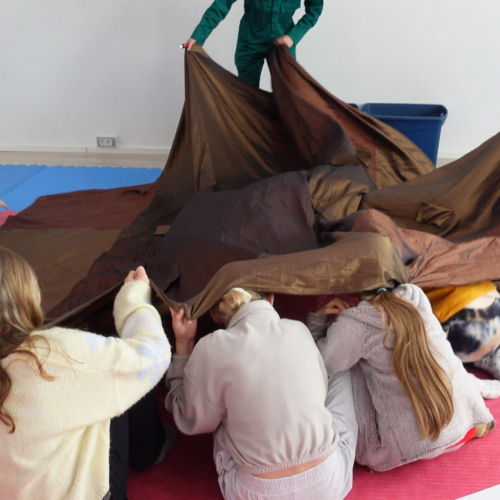
Our pilot lessons prepared within the “Microbes and Metals teach green Technology” prepared with the support of International Visegrad Fund received enthusiastic reception at five primary schools. Children engaged actively throughout sessions, responding with focused attention and genuine curiosity about environmental science.
The impact extended beyond the classroom, with many students voluntarily improving waste separation practices at home. Teachers noted that the playful approach successfully transformed learning into adventure, helping children make meaningful connections between classroom content and real-world environmental challenges.